
AI-Powered Wildlife Conservation
Discover how artificial intelligence is transforming wildlife conservation through advanced species monitoring, habitat analysis, and automated population tracking systems that help protect biodiversity worldwide.
Explore ApplicationsRevolutionary AI Technologies for Wildlife
Modern artificial intelligence systems are enabling conservationists to monitor wildlife populations, analyze habitats, and track species with unprecedented accuracy and efficiency.

Species Identification
Advanced machine learning algorithms can identify individual animals and species from camera trap images, drone footage, and acoustic recordings with remarkable accuracy.
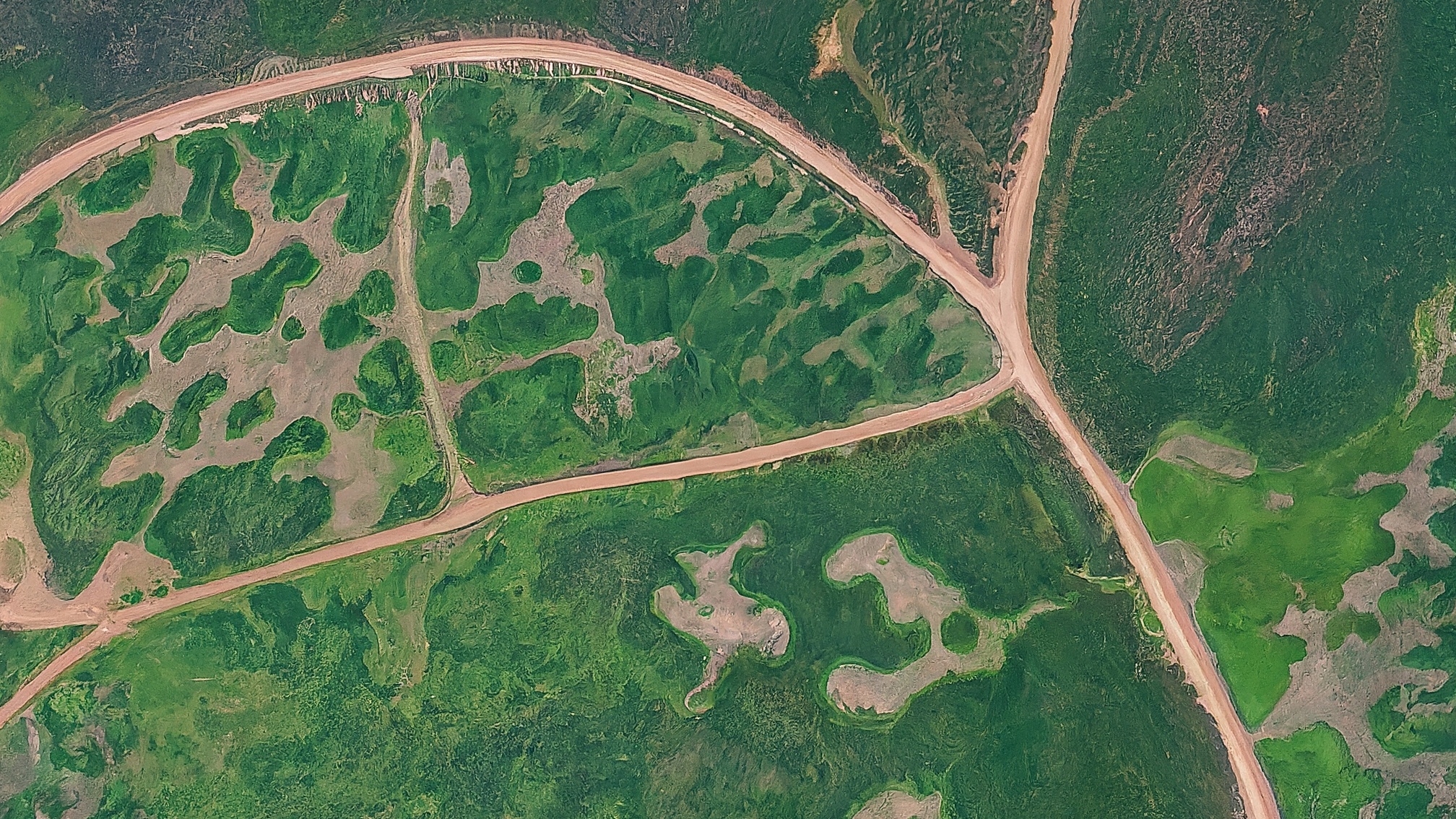
Habitat Monitoring
AI systems analyze satellite imagery and environmental data to monitor habitat changes, detect deforestation, and assess ecosystem health in real-time.

Population Tracking
Automated counting systems use computer vision to track animal populations, estimate densities, and monitor population trends over time without human intervention.
How AI Wildlife Monitoring Works
Artificial intelligence systems process vast amounts of data from multiple sources to provide comprehensive wildlife monitoring solutions.
Data Collection
Automated systems collect data from camera traps, acoustic sensors, satellite imagery, and drone surveys. These devices capture images, sounds, and environmental measurements continuously, providing rich datasets for analysis. The data collection process operates 24/7, ensuring comprehensive coverage of wildlife habitats and behaviors.
AI Processing
Machine learning algorithms analyze the collected data to identify species, count individuals, detect behaviors, and recognize patterns. Deep learning models trained on thousands of labeled images can distinguish between similar species and identify individual animals based on unique markings. The AI systems process terabytes of data efficiently, identifying relevant information that would take humans months to analyze.
Analysis & Insights
The processed data generates insights about population trends, habitat usage, migration patterns, and conservation priorities. Conservationists receive detailed reports highlighting critical findings, such as declining populations or habitat degradation. These insights enable proactive conservation measures and informed decision-making for wildlife protection strategies.
Conservation Action
Conservation organizations use AI-generated insights to implement targeted protection measures, allocate resources effectively, and monitor the impact of conservation efforts. The continuous monitoring capabilities allow for real-time responses to threats, such as poaching alerts or habitat disturbances, enabling rapid intervention when needed.
AI Impact on Wildlife Conservation
Artificial intelligence technologies are making significant contributions to wildlife conservation efforts worldwide.
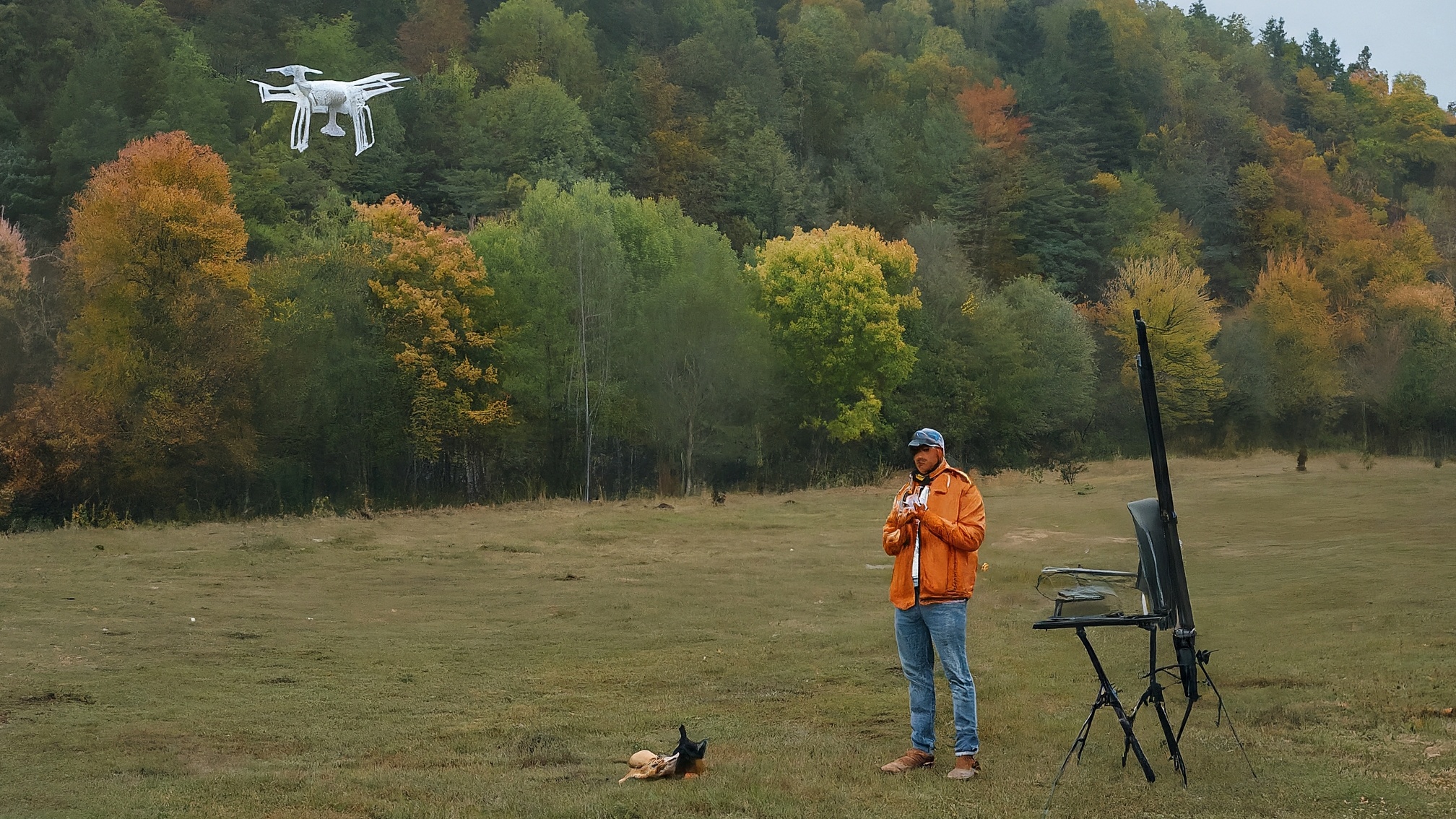
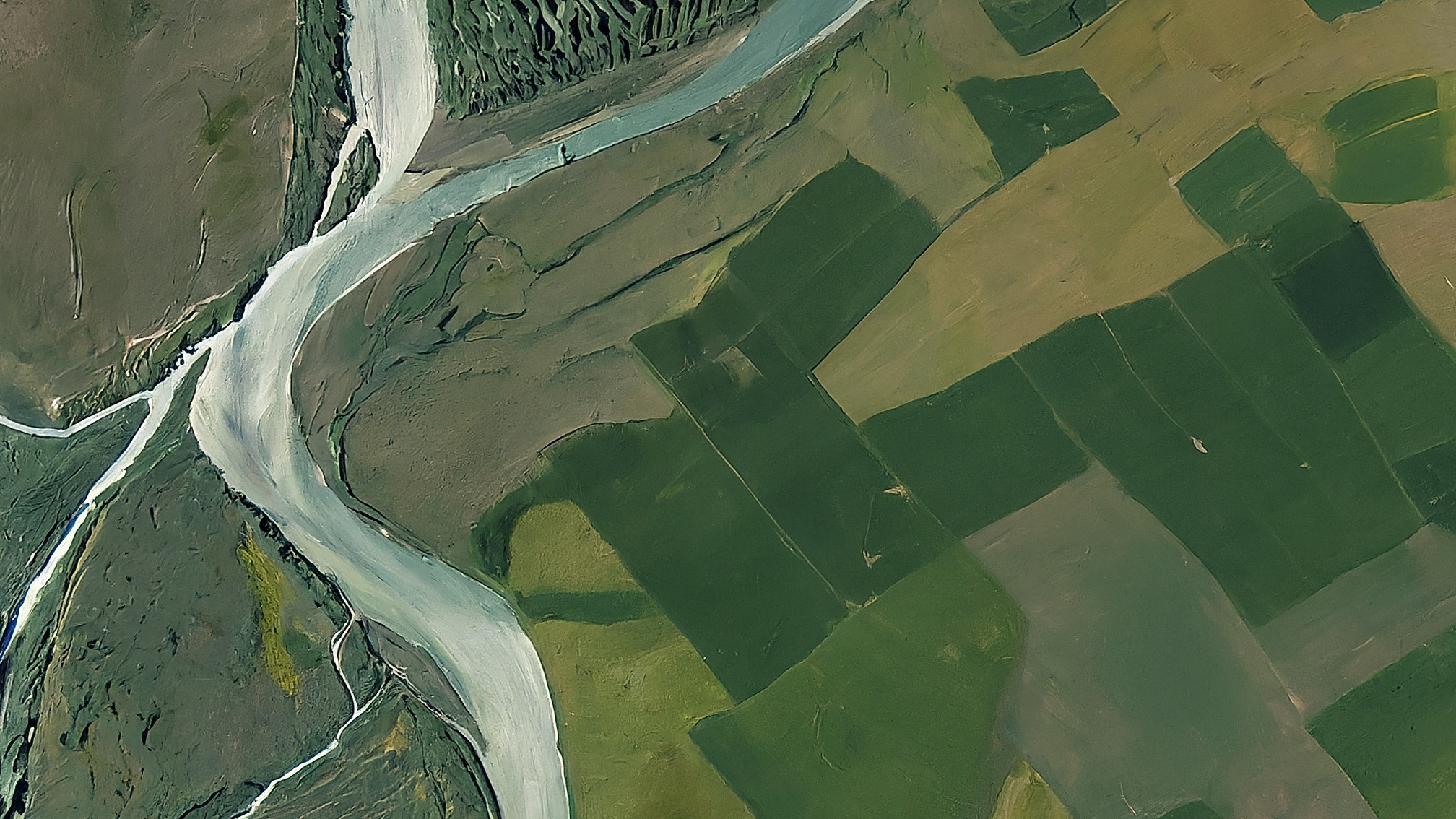
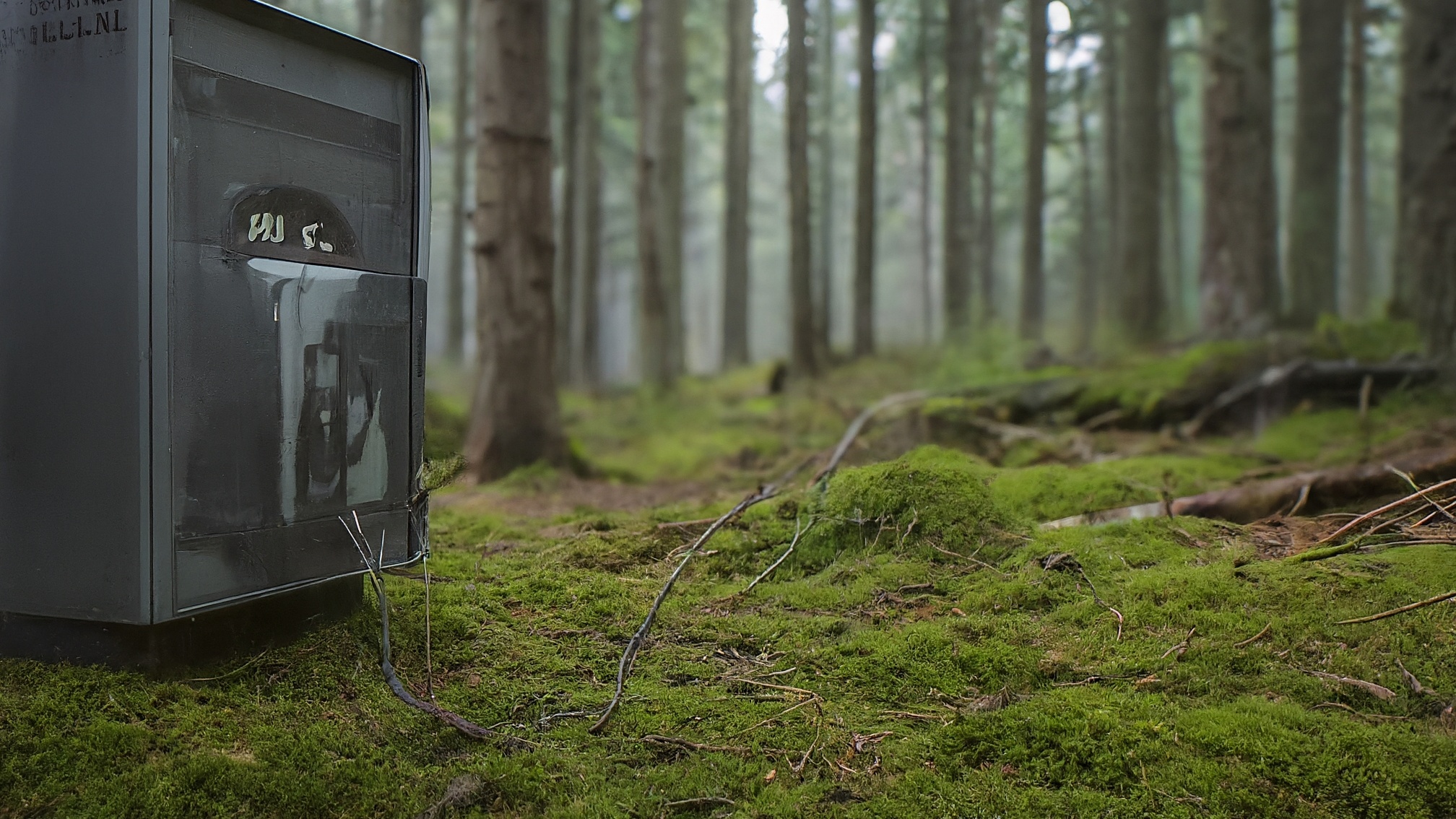
Wildlife Monitoring in Action
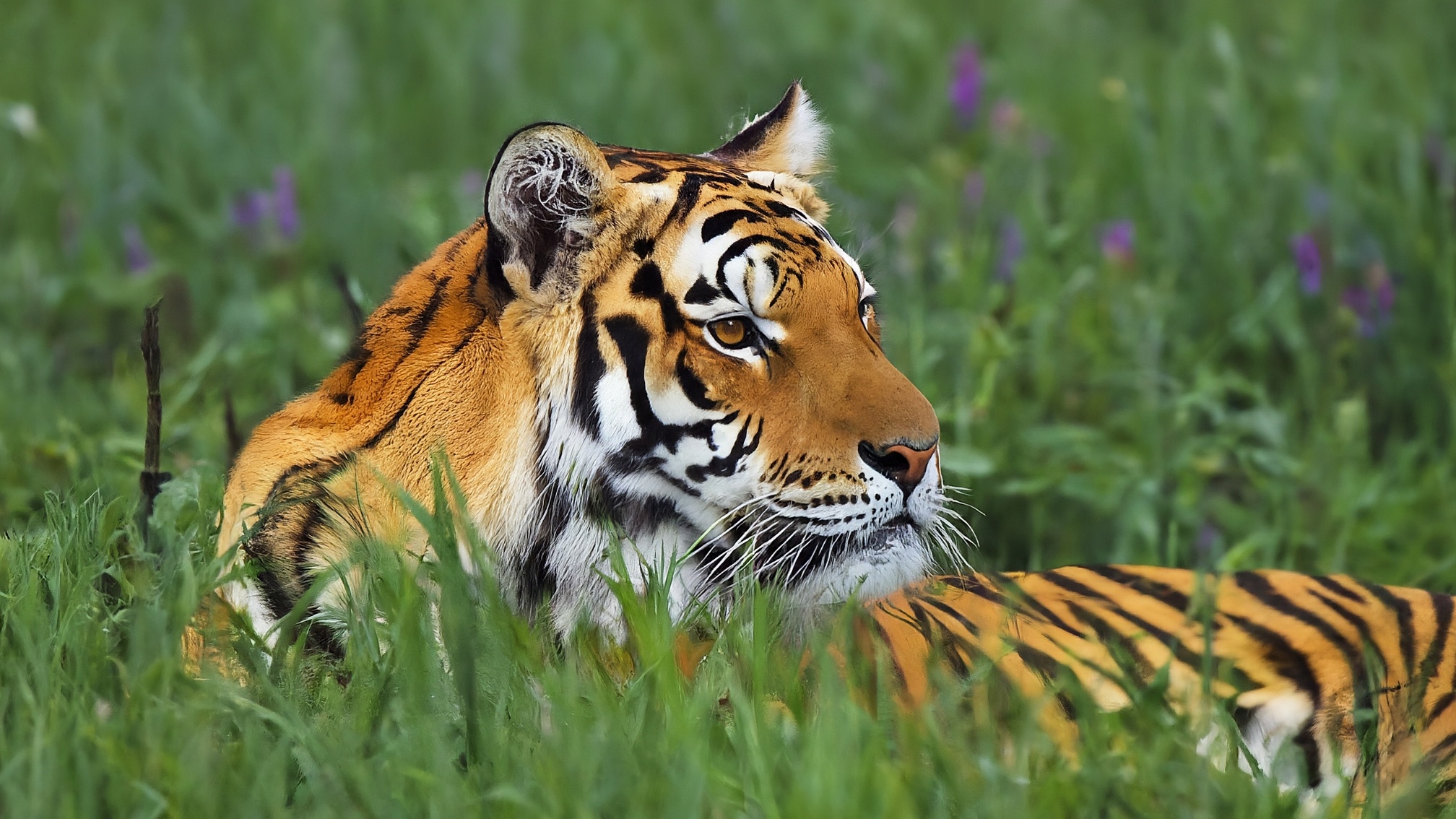
Explore examples of AI-powered wildlife monitoring systems capturing and analyzing animal behavior and habitats.


Contact Us
For inquiries about AI applications in wildlife conservation, please reach out to us.
Get in Touch
Address:
3442 118 Ave SE
Calgary, AB T2Z 4A4
Canada
Phone: +1 7534429478
This website provides informational content about artificial intelligence applications in wildlife conservation. We welcome general inquiries and questions about the technologies and methods discussed.