
AI Conservation Applications
Discover how artificial intelligence is being applied in real-world conservation projects to protect endangered species and preserve biodiversity.
Real-World AI Conservation Applications
Artificial intelligence is transforming wildlife conservation through practical applications that protect endangered species, monitor ecosystems, and support conservation decision-making.
Endangered Species Protection
AI systems monitor endangered species populations, detect poaching threats, and track individual animals to support protection efforts. These systems enable conservationists to respond rapidly to threats and allocate resources effectively. Machine learning algorithms analyze camera trap images, acoustic recordings, and satellite data to identify endangered species presence and assess population health.
The technology supports anti-poaching efforts by detecting suspicious activities, identifying poaching patterns, and alerting authorities in real-time. AI systems can analyze movement patterns to identify potential poaching hotspots and optimize patrol routes. The continuous monitoring capabilities provide comprehensive protection coverage that would be impossible with human observers alone.

Migration Pattern Analysis
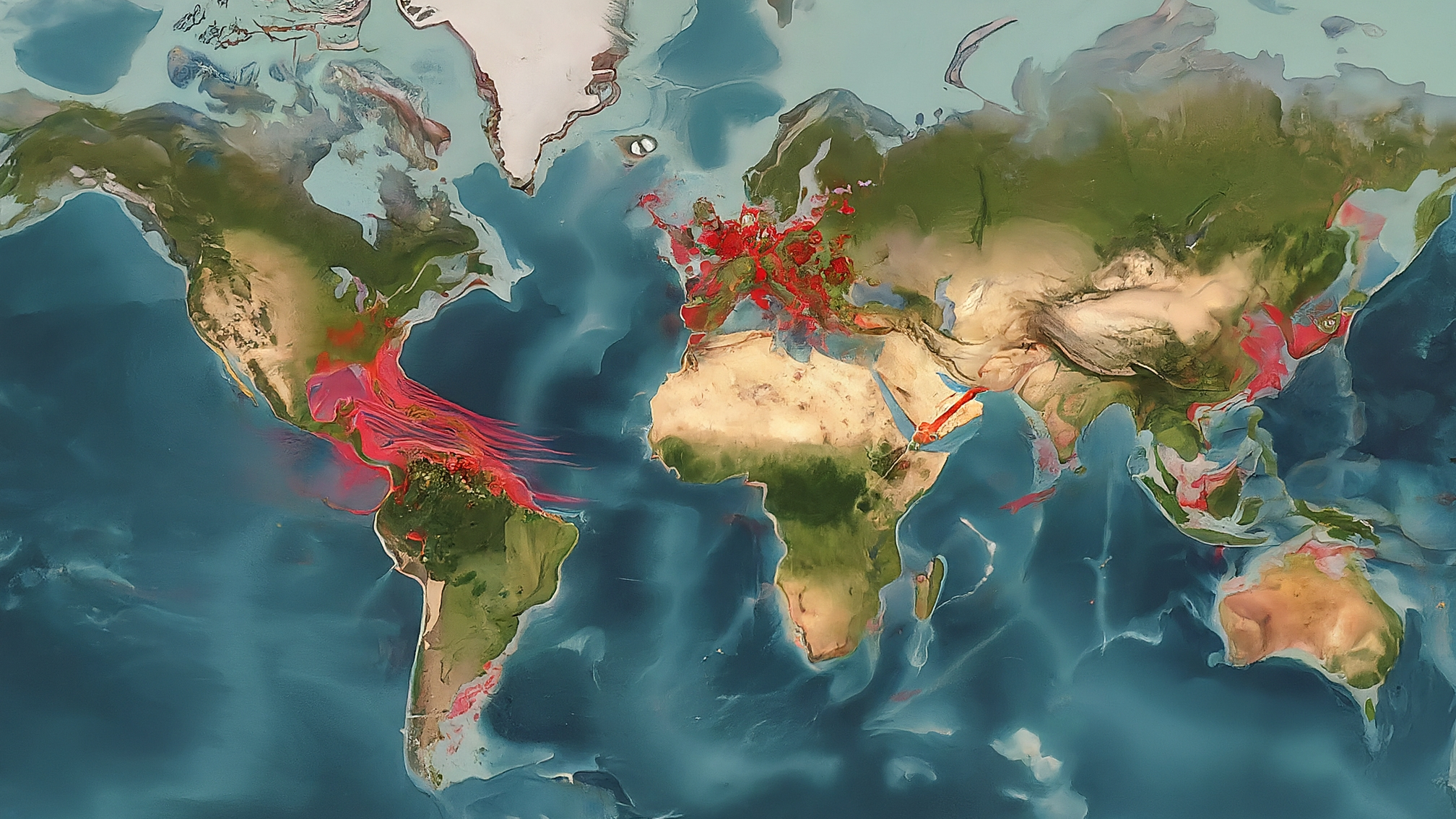
AI systems track animal migrations, identifying migration routes, timing, and stopover sites critical for conservation planning. Machine learning algorithms process GPS tracking data, satellite imagery, and environmental conditions to understand migration patterns and identify threats along migration corridors. The analysis helps identify critical habitats that require protection to support successful migrations.
The technology enables conservationists to predict migration timing, identify barriers to migration, and plan conservation measures that support migratory species. AI systems can analyze historical migration data to detect changes in migration patterns that may indicate environmental threats or habitat degradation. This information supports international conservation efforts and helps coordinate protection across migration routes.
Conservation Use Cases
AI technologies support diverse conservation applications across different ecosystems and species groups.
Marine Conservation
AI systems analyze underwater imagery, acoustic recordings, and satellite data to monitor marine species populations, detect illegal fishing, and assess ocean health. The technology enables monitoring of vast ocean areas that are difficult to access, providing comprehensive data on marine biodiversity and ecosystem conditions. Automated analysis of underwater video and images helps identify species, count individuals, and detect threats such as pollution or habitat destruction.
Forest Ecosystem Monitoring
Machine learning algorithms process satellite imagery and camera trap data to monitor forest ecosystems, track wildlife populations, and detect deforestation. These systems provide continuous monitoring of forest health, biodiversity, and threats, enabling rapid response to environmental changes. The technology supports forest conservation by identifying priority protection areas and monitoring the effectiveness of conservation measures.
Urban Wildlife Management
AI systems help manage wildlife in urban environments by monitoring species presence, tracking human-wildlife conflicts, and supporting coexistence strategies. The technology enables cities to make data-driven decisions about wildlife management, reducing conflicts while protecting urban biodiversity. Automated monitoring helps identify areas where wildlife presence is increasing or decreasing, informing urban planning and conservation efforts.
Impact on Conservation
AI-powered conservation applications are making significant contributions to wildlife protection and ecosystem preservation worldwide.
Global Monitoring
AI systems enable monitoring of wildlife populations and habitats across global scales, providing comprehensive data for international conservation efforts and policy development.
Real-Time Response
Automated threat detection enables rapid conservation responses, allowing organizations to address threats immediately rather than waiting for manual detection and reporting.
Cost Efficiency
AI-powered monitoring reduces the cost of conservation data collection and analysis, enabling organizations to allocate more resources to direct conservation actions.