
AI-Powered Species Monitoring
Discover how artificial intelligence revolutionizes species identification and monitoring through automated image recognition, acoustic analysis, and behavioral pattern detection.
Automated Species Identification
Modern AI systems can identify wildlife species with remarkable accuracy using computer vision and machine learning technologies.
Image-Based Identification
Computer vision algorithms analyze images from camera traps, drones, and field surveys to identify species automatically. These systems use deep learning neural networks trained on extensive datasets containing thousands of wildlife images. The AI can distinguish between similar species, identify individual animals based on unique markings, and even detect subtle characteristics that human observers might miss.
The identification process involves multiple stages: image preprocessing to enhance quality, feature extraction to identify key characteristics, classification using trained models, and verification to ensure accuracy. Modern systems achieve identification accuracy rates exceeding 95% for many species, significantly faster than manual identification methods.
Acoustic Species Recognition
AI systems analyze audio recordings to identify species based on their vocalizations, calls, and sounds. Acoustic monitoring is particularly valuable for bird species, marine mammals, and nocturnal animals that are difficult to observe visually. Machine learning algorithms process audio signals to extract features, identify patterns, and classify species based on their unique acoustic signatures.
These systems can process continuous audio streams in real-time, automatically detecting and identifying species calls even in noisy environments. The technology enables researchers to monitor species presence and activity patterns over extended periods without constant human supervision, providing valuable data for conservation research and population monitoring.
Individual Animal Recognition
Advanced AI systems can identify individual animals within a species based on unique physical characteristics, enabling detailed tracking and behavioral studies.
Pattern Recognition
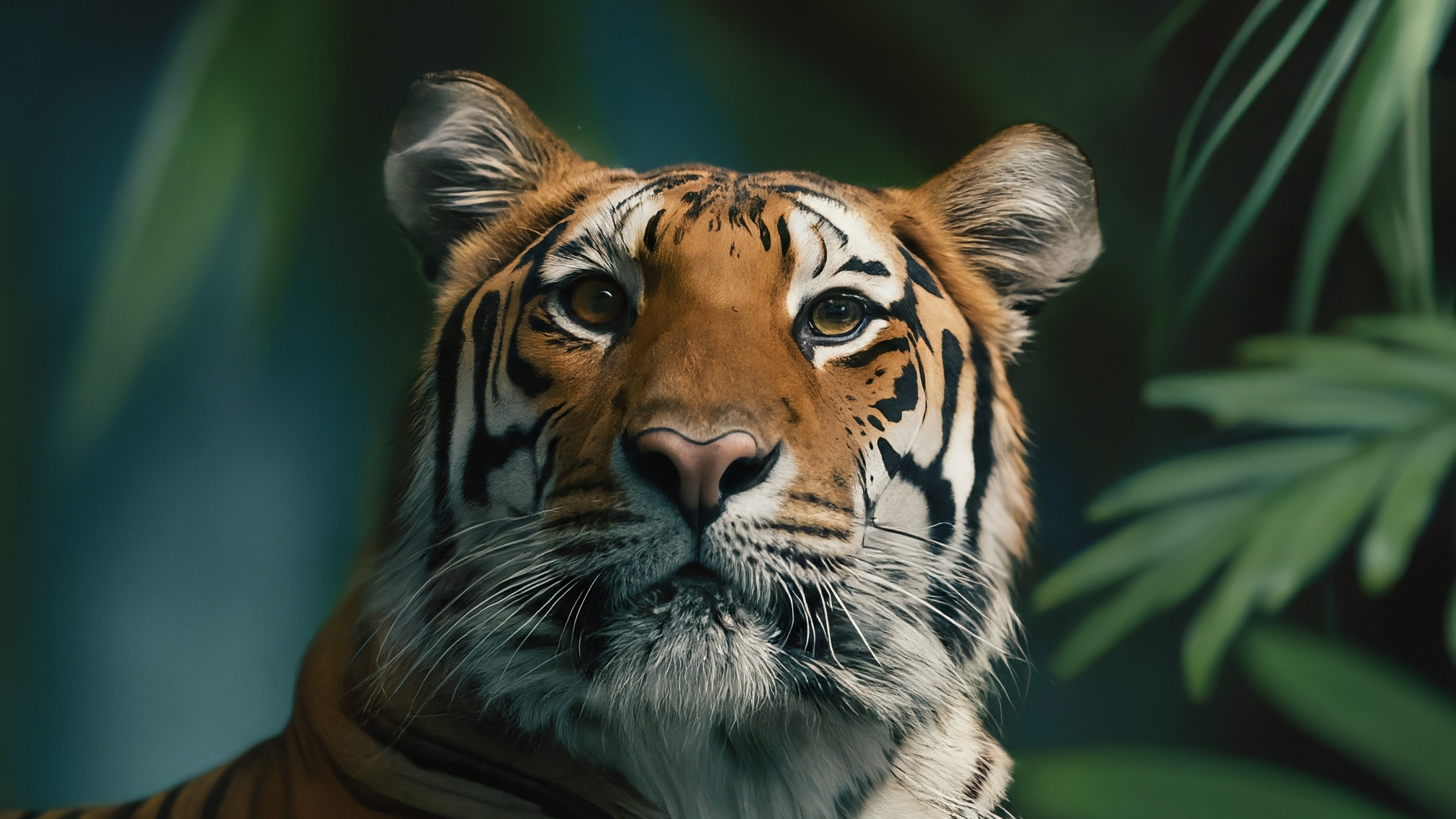
AI algorithms analyze unique patterns such as stripes, spots, scars, or other distinctive markings to identify individual animals. These systems use sophisticated pattern matching algorithms that can recognize individuals even when markings are partially obscured or when animals are viewed from different angles. The technology has proven particularly effective for species with distinctive coat patterns, such as zebras, tigers, and giraffes.
Facial Recognition
Facial recognition technology adapted for wildlife can identify individual animals based on facial features, similar to human facial recognition systems. This approach works well for primates, bears, and other species with distinctive facial characteristics. The systems analyze facial geometry, feature placement, and other biometric markers to create unique identifiers for each individual.
Behavioral Patterns
Machine learning algorithms can identify individuals based on behavioral patterns, movement styles, and activity signatures. These systems analyze video footage to detect unique behavioral characteristics that distinguish individual animals. This approach is particularly valuable when physical markings are not clearly visible or when monitoring species with similar appearances.
Applications in Conservation
AI-powered species monitoring systems support various conservation applications, from population assessments to threat detection.
Threat Detection
AI systems can detect threats such as poaching activities, habitat disturbances, or unusual animal behaviors that may indicate health issues or environmental problems.
Data Collection
Automated monitoring systems collect vast amounts of data on species presence, distribution, and behavior, providing comprehensive datasets for conservation research.
Population Assessment
By identifying and counting individual animals, AI systems help researchers assess population sizes, track population trends, and evaluate conservation program effectiveness.