
AI-Powered Habitat Analysis
Explore how artificial intelligence monitors habitat changes, detects environmental threats, and assesses ecosystem health through advanced data analysis.
AI-Powered Habitat Monitoring
Artificial intelligence systems analyze satellite imagery, environmental sensors, and field data to monitor habitat health, detect changes, and assess ecosystem conditions in real-time.
Satellite Imagery Analysis
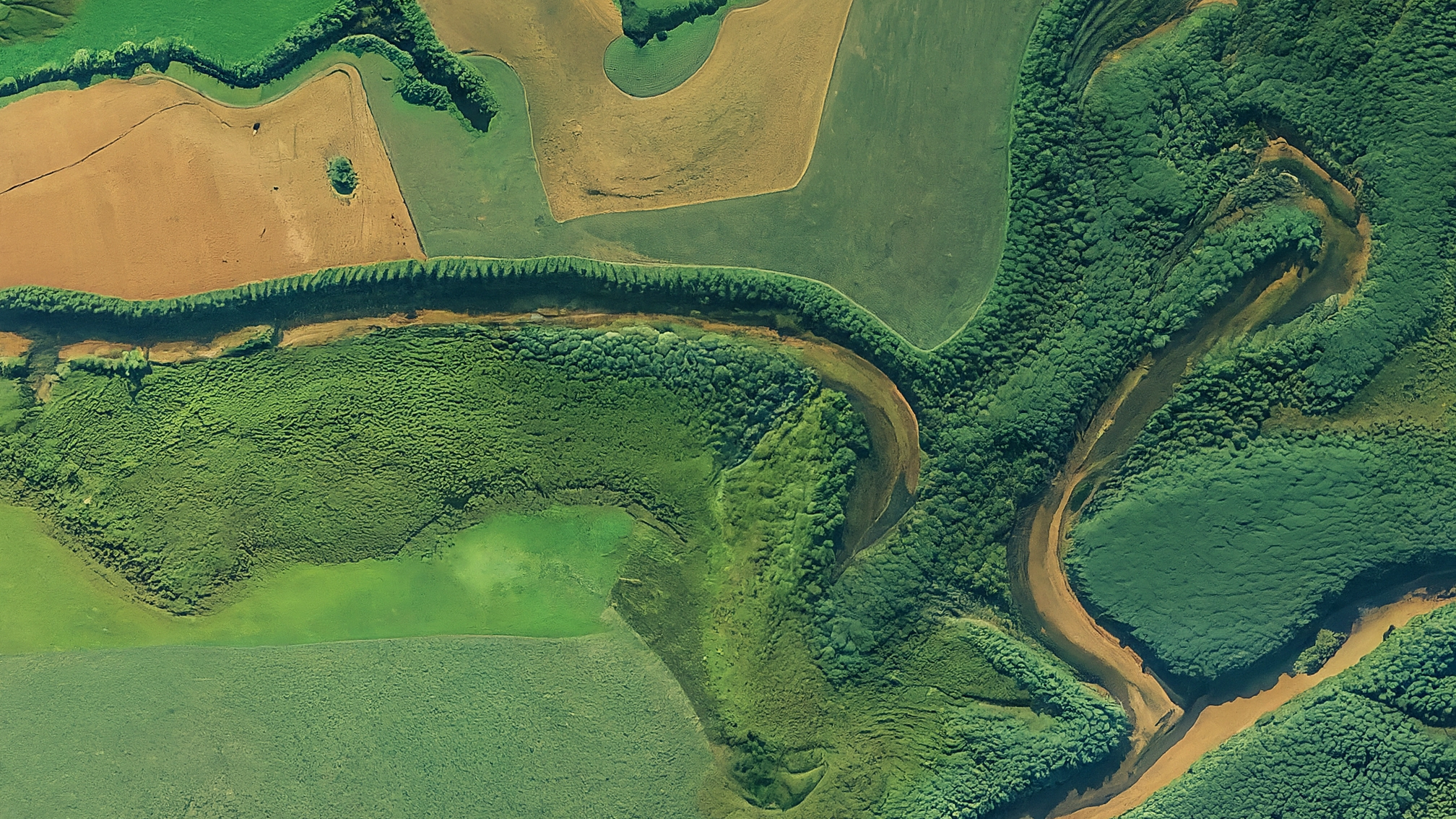
AI algorithms process multispectral satellite images to identify vegetation types, detect land cover changes, and monitor habitat degradation. These systems can analyze vast areas simultaneously, identifying patterns and changes that would take human analysts weeks or months to detect. Machine learning models trained on historical satellite data can recognize subtle environmental changes, such as deforestation, desertification, or vegetation health decline.
The technology enables continuous monitoring of remote and inaccessible areas, providing conservationists with up-to-date information about habitat conditions. AI systems can process images from multiple satellite sources, combining data to create comprehensive habitat assessments. The automated analysis reduces the time and cost required for habitat monitoring while increasing the frequency and accuracy of assessments.
Environmental Data Integration
AI systems integrate data from multiple sources including weather stations, soil sensors, water quality monitors, and biodiversity surveys to assess habitat health comprehensively. Machine learning algorithms identify correlations between environmental factors and habitat quality, enabling predictive modeling of habitat changes. These systems can detect early warning signs of habitat degradation before visible changes occur.
The integrated approach allows conservationists to understand complex ecosystem relationships and identify factors that contribute to habitat health or decline. AI systems process real-time data streams, providing immediate alerts when environmental conditions exceed thresholds that may threaten wildlife. This enables proactive conservation measures and rapid response to environmental threats.
Habitat Change Detection
Advanced AI systems can detect and track habitat changes over time, identifying trends and patterns that inform conservation strategies.
Deforestation Monitoring
AI algorithms analyze satellite imagery to detect deforestation activities in near real-time, enabling rapid response to illegal logging or land clearing. These systems can identify newly cleared areas, track deforestation rates, and monitor forest recovery. The technology helps conservation organizations prioritize protection efforts and document habitat loss for policy and legal purposes.
Wetland Assessment
Machine learning models analyze satellite and aerial imagery to assess wetland health, monitor water levels, and detect changes in wetland extent. These systems help identify critical wetland habitats that require protection and monitor the effectiveness of wetland restoration efforts. The automated analysis provides consistent monitoring across large geographic areas.
Vegetation Health Analysis
AI systems analyze vegetation indices from satellite imagery to assess plant health, detect disease outbreaks, and monitor ecosystem productivity. These systems can identify stressed vegetation before visible symptoms appear, enabling early intervention. The technology supports habitat restoration planning by identifying areas where vegetation health is declining.
Applications in Conservation
AI-powered habitat analysis supports various conservation applications, from protected area management to restoration planning.
Protected Area Planning
Habitat analysis helps identify priority areas for protection, assess existing protected area effectiveness, and plan expansion of conservation networks based on habitat quality and connectivity.
Restoration Planning
AI systems identify degraded habitats that would benefit from restoration efforts and help prioritize restoration projects based on habitat potential and conservation value.
Threat Assessment
Automated habitat monitoring detects threats such as habitat fragmentation, pollution, or climate change impacts, enabling proactive conservation responses.